The Lemosho Route offers a quieter, more scenic approach to Kilimanjaro, beginning in the lush rainforest of the western slopes and gradually ascending through varied ecological zones. With excellent acclimatisation and stunning views across the Shira Plateau, this route is ideal for trekkers seeking a more gradual ascent and a higher chance of summit success, as it gives trekkers more time to acclimatise.
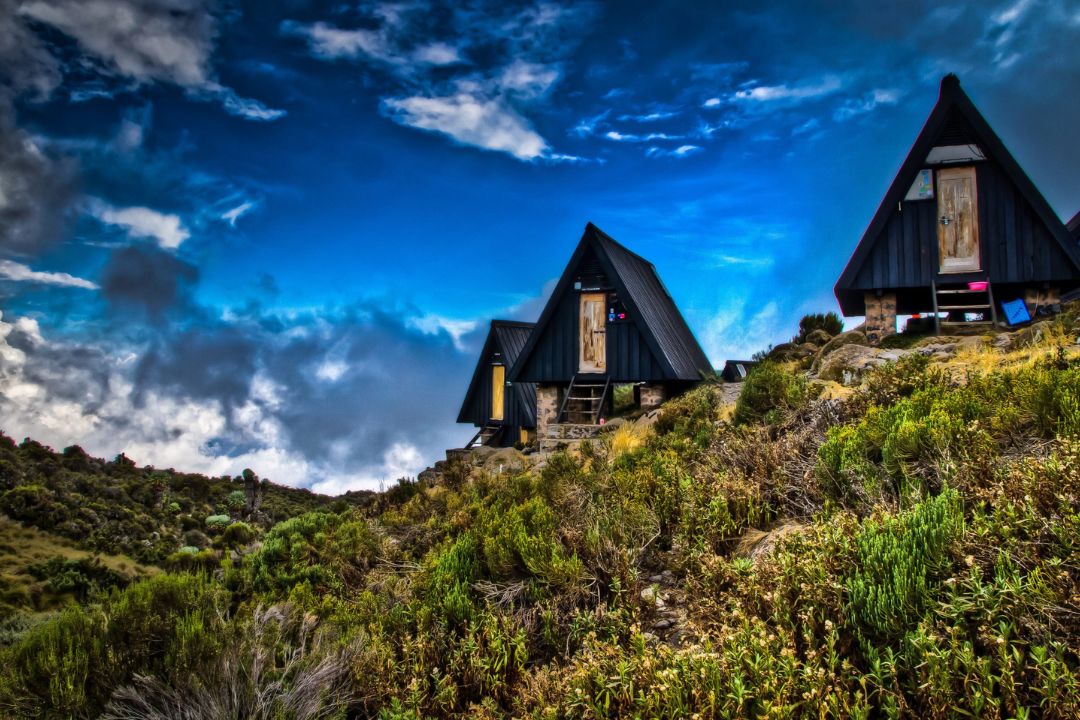
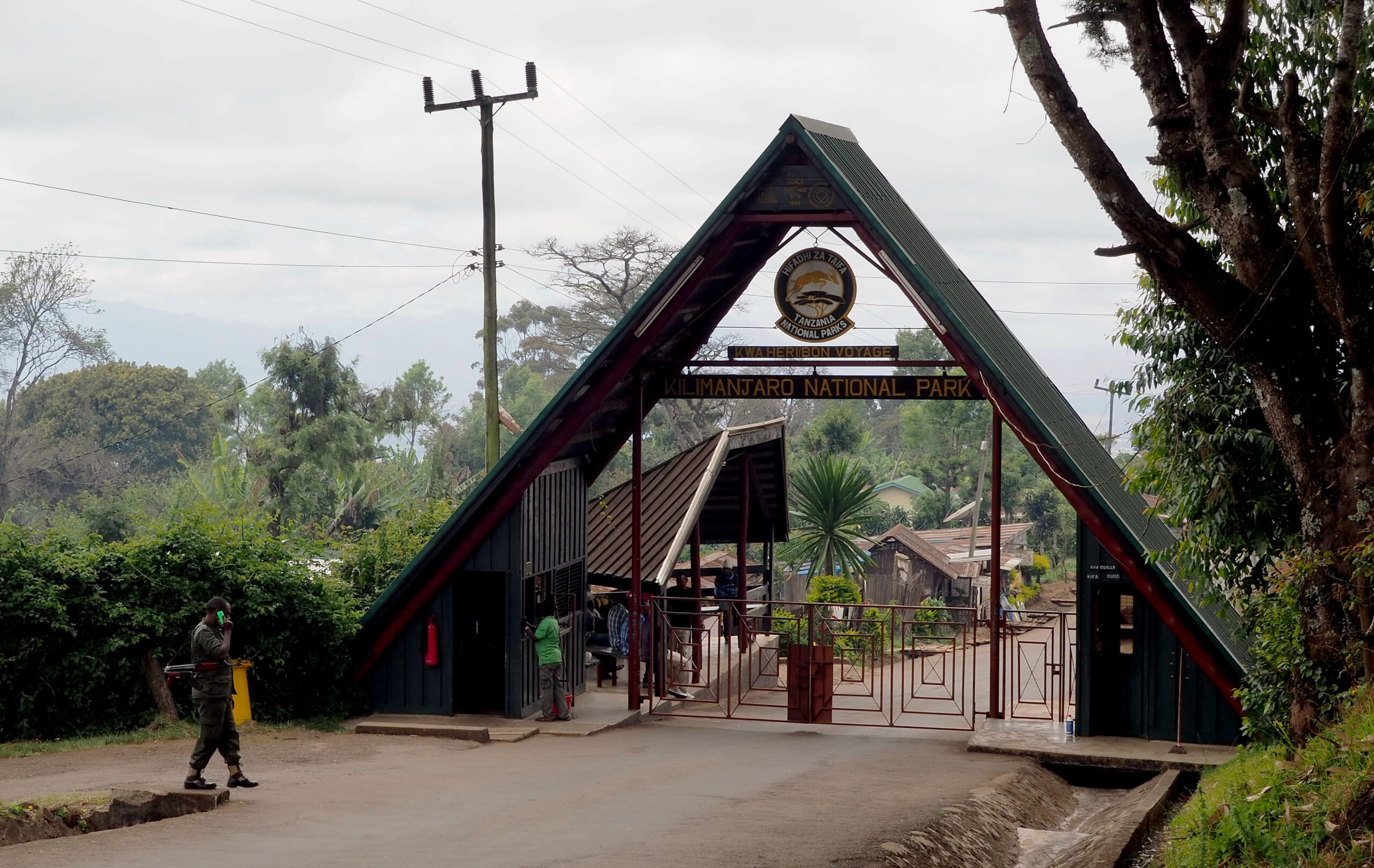
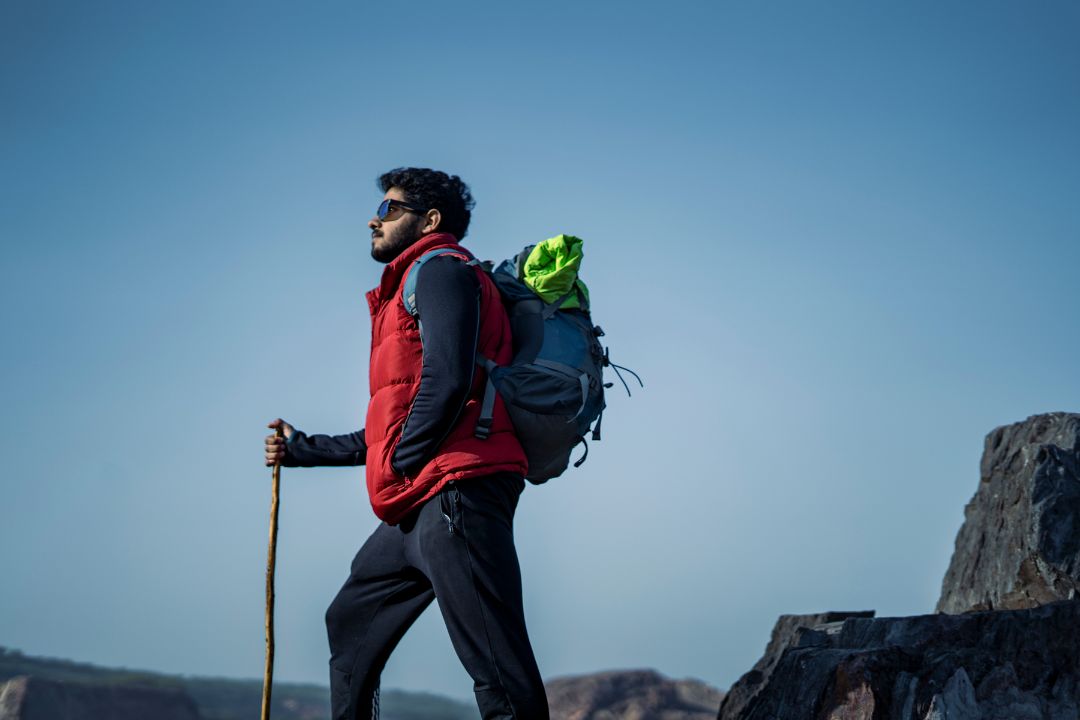
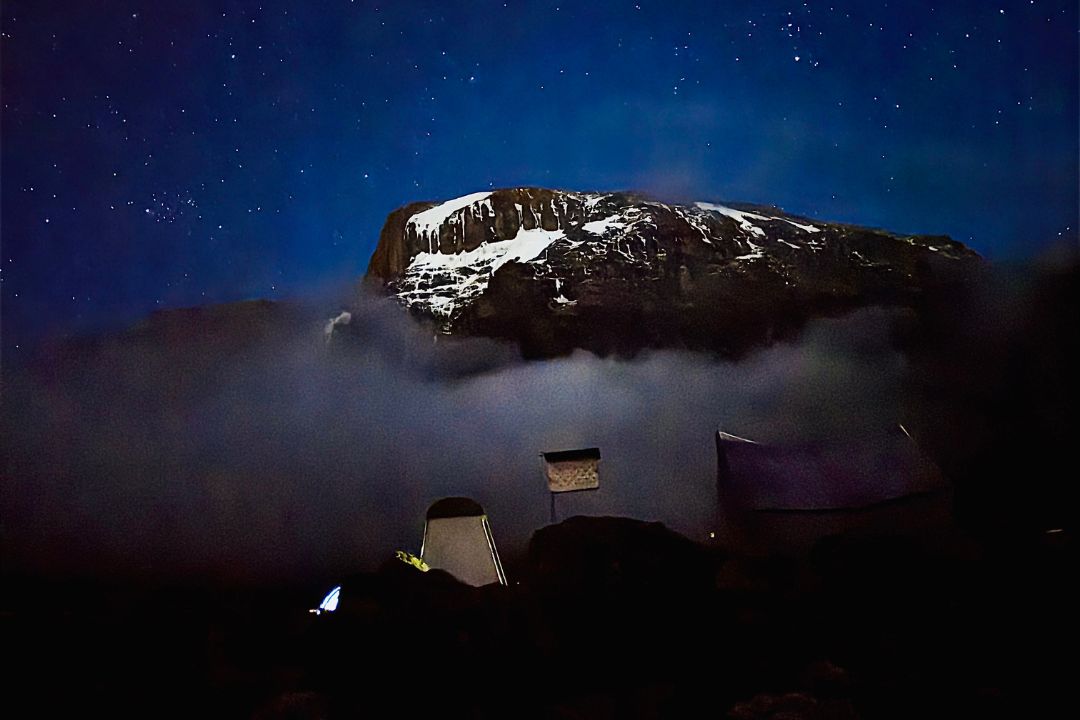
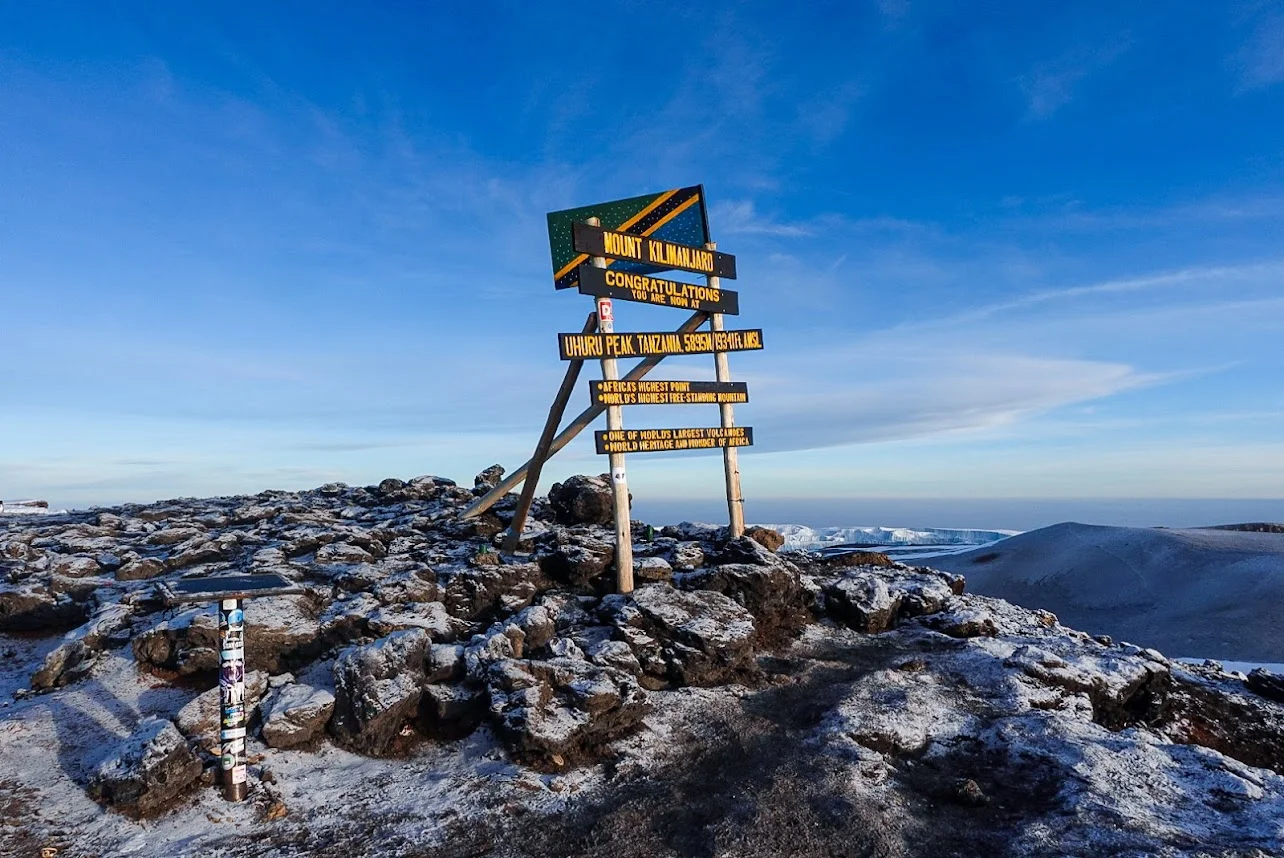
Lemosho is our favourite route. Its stunning scenery and smooth acclimatisation profile make it the top choice for those planning their first Kilimanjaro trip.
Two itineraries are available: 7 and 8 days. Many climbers wonder which one is best for them. A rule of thumb is as follows:
7-Day Itinerary: Ideal for climbers with outdoor trekking experience but little to no high-altitude exposure. You’ll bypass the tropical forest, as our vehicle takes you directly to 3,414 m (11,200 ft). The first two days feature relatively easy hikes with minimal altitude gain, allowing you to conserve energy for the more challenging sections ahead.
Many climbers without any hiking experience also choose this route and have high summiting rates. It is our most favoured Lemosho option, and we conduct over 50% of our climbs via this route.
8-Day Itinerary: Best for those who haven’t trekked in a while or are new to the mountains. It is an excellent choice for those who haven’t participated in such hikes before to maximise their chances of reaching Uhuru Peak. The extra day at the beginning aids acclimatisation and helps you adjust to the trekking routine.
Unlike the shorter variations, the Lemosho 8-day trek begins in a tropical forest, offering more scenic experiences.
Regardless of the route, Kilimanjaro requires at least an average fitness level – even for the beginner friendly 8-day Lemosho trek. Learn more about fitness requirements in our article on training for Kilimanjaro.
Your adventure begins after breakfast, when your guide collects you from your hotel for the drive of about 113km/70.5 miles through the western slopes of the mountain to Lemosho Gate.
After registration and lunch at Lemosho Gate, we begin trekking through dense rainforest. Keep an eye out for colobus monkeys.
This short trek takes us to Mti Mkubwa, the Big Tree Camp, where we will find the tents already erected and dinner being prepared in the kitchen tent. A full dinner follows before we sleep
Elevation: 2,389m to 2,785m |
Distance: 4.8km |
Time: 3–4 hours
Accommodation: Tent
Meals: Lunch & Dinner
This second day starts in a rather similar fashion as the first day – a scenic walk beneath the dense forest canopy. This peaceful forest trek is soon replaced by heath and moorland as the trail ascends steadily. A moderately steep climb through the forest leads onto the northern slopes of the Shira Plateau, where expansive views of the mountain begin to unfold.
Upon reaching Shira 1 Camp, we stop for a hot lunch and a short rest. After lunch, the trek continues across the Shira Plateau to Shira 2 Camp, traversing open landscapes with wide-ranging views before settling in for the night.
Elevation: 2,785m to 3,895m |
Distance: 17km |
Time: 7-8 hours
Accommodation: Tent
Meals: Breakfast, Lunch & Dinner
The snowy Kibo has a constant appearance in front of us as we head east. A rather steep ascent to Lava Tower, which stands at 4,530m, allows for acclimatisation, where we will break for lunch before descending to Barranco Camp. This “climb high, sleep low” strategy is key to summit success. Dinner is served in the evening.
Elevation: 3,895m to 3,986m (Lava Tower 4,530m) |
Distance: 10.1km |
Time: 6–7 hours
Accommodation: Tent
Meals: Breakfast, Lunch & Dinner
Today, we tackle the iconic Barranco Wall — a fun but challenging scramble with rewarding views. We then descend into the Karanga Valley. Our campsite is located on the far side of the valley, reached by a steep but short climb to Karanga Camp, allowing for gentler pacing and acclimatisation.
Elevation: 3,986m to 4,035m |
Distance: 8.5km |
Time: 4-5 hours
Accommodation: Tent
Meals: Breakfast, Lunch & Dinner
We traverse the southern side of Kibo, through a stark lunar landscape, on our way to Barafu Camp on the south-eastern shoulder of the mountain. A short but steep climb brings us to Barafu Camp, our base camp for the summit attempt. Here, we rest, hydrate, have dinner, and try to get some sleep in preparation for the early morning ascent. This shorter day helps conserve energy for the summit push ahead.
Elevation: 4,035m to 4,640m |
Distance: 3.8km |
Time: 3-4 hours
Accommodation: Tent
Meals: Breakfast, Lunch & Dinner
We begin the final push around midnight, ascending in darkness toward Stella Point (5,745m) on the rim of the Kibo crater, aiming to reach it around sunrise. This trek is steep, slow, and cold — a true test of both physical and mental endurance. Depending on your pace and condition, it can take 5–6 hours to reach Stella Point.
From Stella Point, we continue along the crater rim to Uhuru Peak (5,895m), the highest point in Africa, for a moment of celebration and spectacular panoramic views.
Elevation: 4,640m to 5,895m | Distance: 4.86km | Time: 7-8 hours
After celebrating at the summit and taking a brief rest, we begin our descent back to Barafu Camp. This is a challenging walk, as you’ll have expended almost all your energy during the ascent. At Barafu, we take breakfast and relax for about an hour before continuing our trek down the mountain along the Mweka Trail toward Mweka Camp.
Depending on your condition after the long and demanding summit and descent, your guide may decide whether we stop for the night at Millennium Camp or proceed directly to Mweka Camp.
Elevation: 5,895m to 3,106m | Distance: 11.5km | Time: 6-7 hours | Accommodation: Tent | Meals: Breakfast, Lunch & Dinner
A gentle descent through the rainforest to the gate, where we celebrate with your certificate and a well-earned rest. A bus will be waiting to take you to your celebratory lunch and then back to your hotel for you to treat yourselves with warm showers and cold beers. Your trek is at an end. Your guide will tell you what to do and you will have a chance to say thanks to the whole team before you part ways.
Elevation: 3,106m to 1,633m |
Distance: 9.1km |
Time: 3–4 hours
Meals: Breakfast & Lunch
Your adventure begins after breakfast, when your guide collects you from your hotel for the drive of about 113km/70.5 miles through the western slopes of the mountain to Lemosho Gate.
After registration and lunch at Lemosho Gate, we begin trekking through dense rainforest. Keep an eye out for colobus monkeys.
This short trek takes us to Mti Mkubwa, the Big Tree Camp, where we will find the tents already erected and dinner being prepared in the kitchen tent. A full dinner follows before we sleep
Elevation: 2,389m to 2,785m |
Distance: 4.8km |
Time: 3–4 hours
Accommodation: Tent
Meals: Lunch & Dinner
The second day begins much like the first — a scenic walk beneath the dense forest canopy. This tranquil forest trek gradually gives way to heath and moorland as the trail steadily ascends. A moderately steep climb through the forest leads onto the northern slopes of the Shira Plateau, where expansive views of Kilimanjaro begin to open up.
Upon arrival at Shira 1 Camp, tents will be ready and a hot lunch awaits, giving you time to rest and take in the panoramic surroundings.
Elevation: 2,785m to 3,504m | Distance: 7.19km | Time: 5–6 hours | Accommodation: Tent | Meals: Breakfast, Lunch & Dinner
Today is a gentle walk across the Shira Plateau with panoramic views toward Kibo. The day is designed to aid acclimatisation, giving you plenty of time to rest and adjust to the altitude.
For those feeling energetic, there’s an optional extension to explore the Cathedral Area and other features of the plateau. This adds approximately 4km to the day’s trek, so be sure to discuss your interest with your guide before setting out.
Elevation: 3,504m to 3,895m | Distance: 6.9km | Time: 4–5 hours | Accommodation: Tent | Meals: Breakfast, Lunch & Dinner
Today, the snowy summit of Kibo remains in view as we trek east across alpine terrain. A steady, moderately steep ascent brings us to Lava Tower at 4,530m, where we stop for lunch and acclimatisation. Following the climb, we descend to Barranco Camp, embracing the “climb high, sleep low” strategy that helps prepare the body for the summit push.
Dinner is served at Barranco Camp, giving you time to relax and rest for the next day’s adventure.
Elevation: 3,895m to 3,986m (Lava Tower 4,530m) | Distance: 10.1km | Time: 6–7 hours | Accommodation: Tent | Meals: Breakfast, Lunch & Dinner
Today we take on the iconic Barranco Wall — a fun but physically demanding scramble that rewards you with spectacular views. After conquering the wall, we descend into the Karanga Valley. Our campsite for the night is located on the far side of the valley, reached by a short but steep climb to Karanga Camp, allowing for gentle pacing and continued acclimatisation.
Elevation: 3,986m to 4,035m | Distance: 8.5km | Time: 4–5 hours | Accommodation: Tent | Meals: Breakfast, Lunch & Dinner
We traverse the southern slopes of Kibo through a stark, lunar landscape en route to Barafu Camp on the south-eastern shoulder of the mountain. A short but steep climb brings us to Barafu, our base camp for the summit attempt. At Barafu Camp, we rest, hydrate, enjoy dinner, and prepare for the early morning ascent. This shorter day conserves energy in preparation for the summit push ahead.
Elevation: 4,035m to 4,640m | Distance: 3.8km | Time: 3–4 hours | Accommodation: Tent | Meals: Breakfast, Lunch & Dinner
The final push begins around midnight, ascending in darkness with frequent short breaks. After 5–6 hours of a steep, slow, and cold trek, we reach Stella Point (5,745m) on the rim of the Kibo crater around sunrise. From Stella Point, we continue along the crater rim to Uhuru Peak (5,895m), the highest point in Africa. This climb is a true test of both physical and mental endurance, and times may vary depending on individual pace and condition.
Elevation: 4,640m to 5,895m | Distance: 4.86km | Time: 7–8 hours
After celebrating at the summit and taking a short rest, we descend back to Barafu Camp. This is a challenging walk, as most of your energy will have been spent reaching the top. At Barafu, we pause for breakfast and allow an hour to rest and recover. After this break, the descent continues via the Mweka Trail toward Mweka Camp. Depending on your condition after the long and strenuous trek, the guide may adjust the final stop between Millennium and Mweka Campsite to best suit the group.
Elevation: 5,895m to 3,106m | Distance: 11.5km | Time: 6–7 hours | Accommodation: Tent | Meals: Breakfast, Lunch & Dinner
We enjoy a gentle descent through the rainforest toward the park gate, where we celebrate your achievement with a certificate and a well-earned rest. A bus will be waiting to take you to a celebratory lunch and then return you to your hotel, where warm showers and cold beverages await. Your trek concludes here. Take a moment to thank your guide and the entire support team before parting ways.
Elevation: 3,106m to 1,633m | Distance: 9.1km | Time: 3–4 hours | Meals: Breakfast & Lunch
Your safety is our priority. Wilderness First Responder–certified lead guides, daily health monitoring, and calm, professional decision‑making at altitude.




 English
 German
 French
 Spanish